April 22, 2026
The plumbing industry is broadly divided into two main categories: residential and commercial, and understanding the distinction between them is essential for property owners, facility managers, and anyone planning a plumbing project. While both fields require similar foundational skills, the scale, complexity, and regulatory expectations can differ significantly. Choosing the right professional often determines whether a project runs smoothly or turns into an expensive setback. This is where experienced plumbing contractors play a critical role in diagnosing issues, designing solutions, and ensuring long-term system performance.
Plumbing systems themselves also vary widely depending on usage demands. Residential homes typically rely on smaller, simpler infrastructure, while commercial buildings must support high-capacity systems designed for constant use. In many cases, plumbing contractors are called in not just for repairs, but for system planning, upgrades, and compliance checks. Even something as routine as a water heater replacement highlights these differences. According to Gitnux, a standard water heater generally lasts between 8 to 12 years, though usage intensity and maintenance practices can significantly shorten or extend that lifespan.
What Defines A Residential Plumbing Contractor?
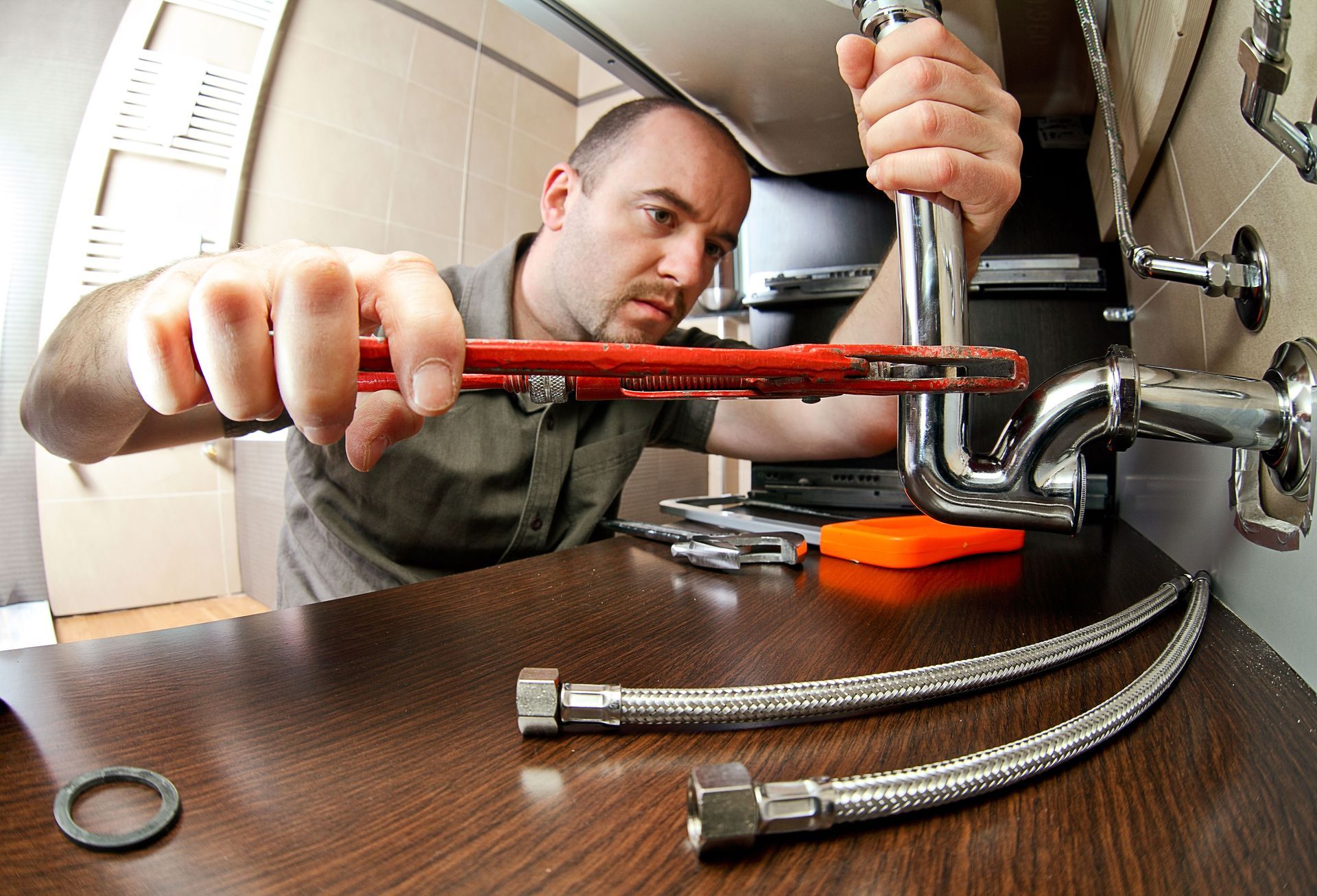
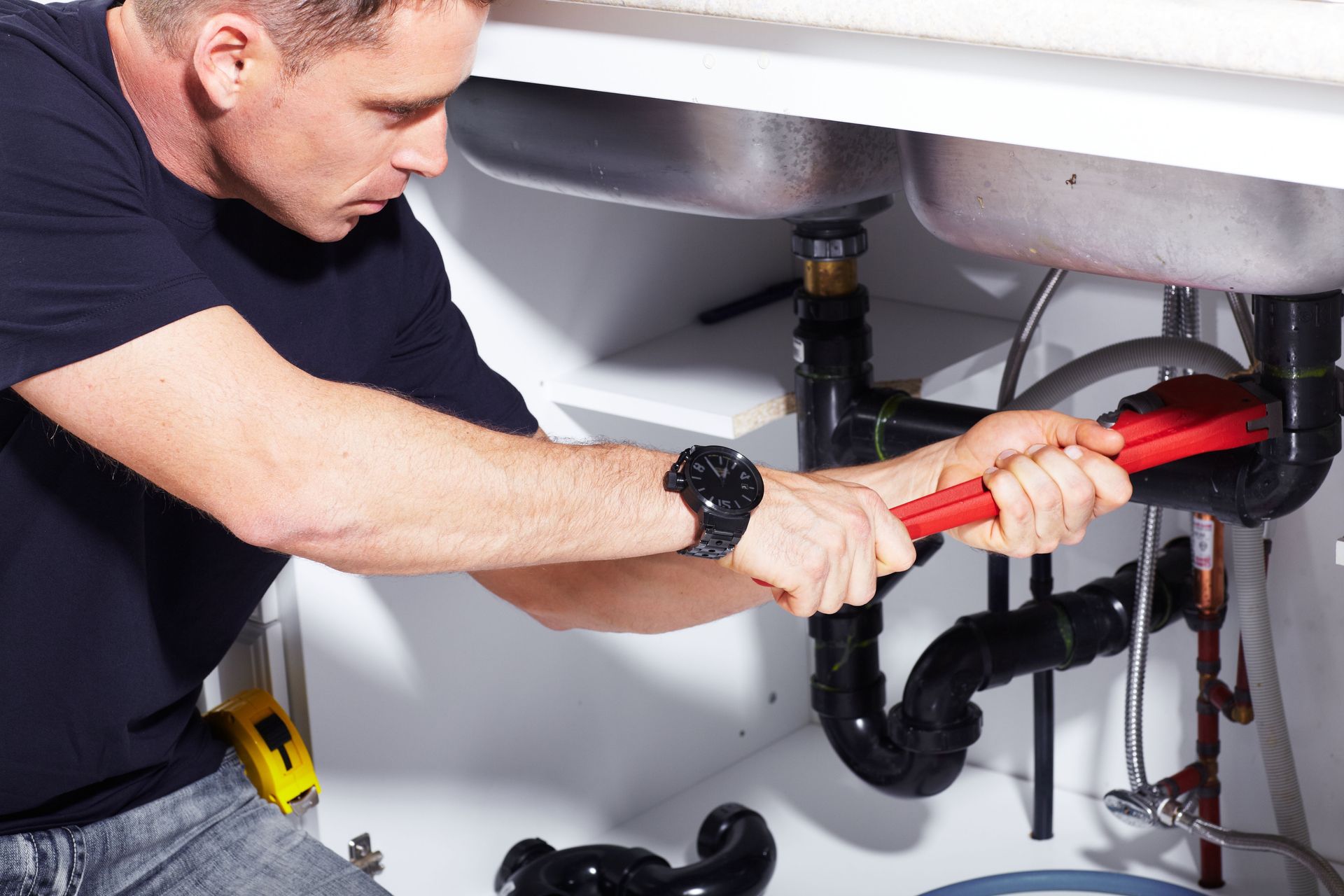
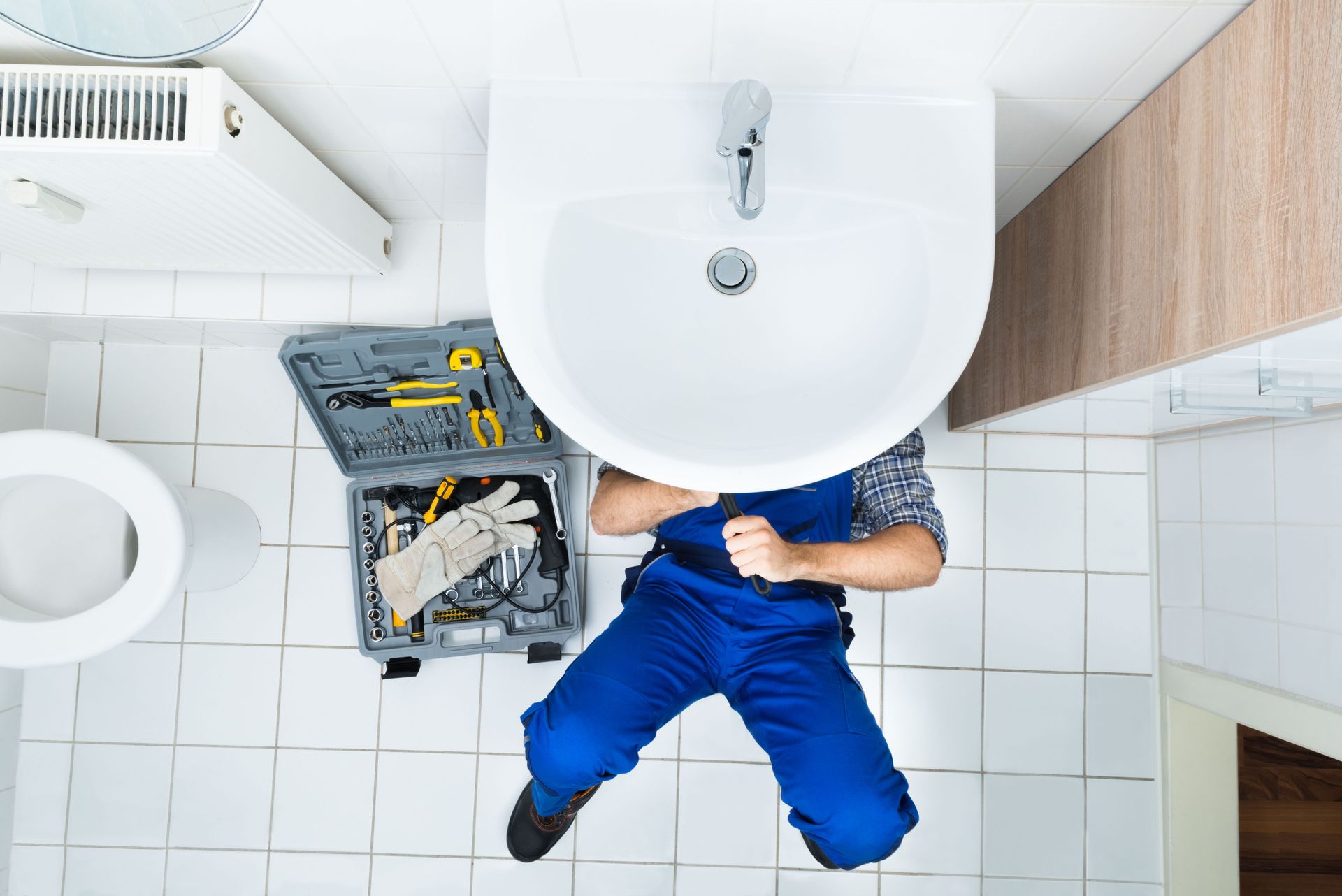
Residential plumbing contractors specialize in servicing homes and small residential properties, focusing on everyday plumbing needs that affect household comfort and safety. These professionals commonly handle tasks such as repairing leaks, replacing sinks, fixing clogged drains, installing fixtures, and maintaining water lines. Their work is typically centered around smaller-scale systems that serve a limited number of occupants.
In this environment, plumbing contractors often build close relationships with homeowners, responding quickly to urgent issues like burst pipes or malfunctioning water heaters. Because residential systems are more standardized, residential plumbing contractors can usually diagnose problems faster and offer more cost-effective solutions compared to commercial specialists. However, that does not mean the work is simple—older homes, in particular, may present hidden challenges such as outdated piping materials or inefficient layouts that require skilled intervention.
Many plumbing contractors working in residential settings also emphasize preventative maintenance. Regular inspections can help extend system life, reduce emergency repairs, and ensure fixtures operate efficiently. In these homes, plumbing contractors are often the first line of defense against water damage, mold risks, and structural deterioration caused by leaks.
How Do Commercial Plumbing Contractors Differ?
Commercial plumbing contractors operate on a much larger and more complex scale, serving businesses, industrial facilities, schools, hospitals, and multi-unit buildings. Unlike residential systems, commercial plumbing must support heavy usage throughout the day, often under strict regulatory requirements. This means the systems are more advanced, with larger pipe networks, high-capacity water heaters, industrial-grade fixtures, and specialized drainage systems.
The role of plumbing contractors in commercial environments extends beyond repairs. They are frequently involved in system design, code compliance, and long-term infrastructure planning. For example, a restaurant may require grease trap installation, while a hospital may need specialized sanitation systems. These projects demand precision, as even minor failures can disrupt operations or violate health regulations.
Commercial plumbing contractors also work closely with engineers, architects, and building managers. Coordination is essential because plumbing systems in commercial buildings are often integrated with electrical, HVAC, and fire suppression systems. As a result, plumbing contractors in this field must have advanced technical training and a strong understanding of building codes and safety standards.
Which Type Of Plumbing Contractor Should You Hire?
Choosing between residential and commercial specialists depends largely on the nature of the project. For homeowners dealing with common issues such as leaky faucets, toilet repairs, or water heater replacement, residential plumbing contractors are typically the best fit. They are familiar with home plumbing layouts and can often resolve problems quickly and efficiently. In many residential cases, these plumbing contractors also provide preventative maintenance advice, helping homeowners avoid recurring issues and extend the lifespan of fixtures and appliances. Their familiarity with typical household systems allows them to troubleshoot problems with minimal disruption to daily routines, which is especially important in occupied homes.
On the other hand, businesses and property managers dealing with large-scale systems should rely on commercial plumbing contractors. These professionals are equipped to handle high-demand systems and complex infrastructure requirements. Hiring the wrong type of plumbing contractors can lead to delays, increased costs, and inadequate repairs that fail to meet code requirements. Commercial environments often require coordination with other building systems, and experienced plumbing contractors in this space are trained to work alongside electricians, HVAC technicians, and general contractors to ensure seamless integration and compliance with safety standards. In addition, commercial projects frequently require detailed documentation and inspection approvals, which adds another layer of responsibility.
In some cases, larger residential properties or mixed-use buildings may require both types of expertise. For instance, plumbing contractors might collaborate on a project where residential-style units are integrated within a commercial building, ensuring that each system functions properly within its intended design. This kind of hybrid environment often demands flexible scheduling and a broader understanding of both residential comfort needs and commercial durability standards.
Ultimately, the decision comes down to scale, complexity, and compliance needs. Experienced plumbing contractors can often assess a situation and determine whether residential or commercial expertise is required, helping clients avoid costly mistakes. In practice, many property owners benefit from consulting plumbing contractors early in the planning stage, since early input can influence material selection, system layout, and long-term maintenance costs.
What Factors Influence The Cost Of Plumbing Services?
Several factors determine the cost of plumbing services, and understanding them can help property owners make more informed decisions. One of the most significant considerations is the complexity of the job. Simple repairs, such as fixing a leak or replacing a faucet, typically cost less than large-scale installations or system overhauls. However, when plumbing contractors are dealing with older or poorly maintained systems, additional labor and materials may be required.
Material selection also plays a major role in pricing. High-quality pipes, fixtures, and water heaters can increase upfront costs but often reduce long-term maintenance expenses. Plumbing contractors frequently advise clients on balancing cost and durability to achieve the best long-term value.
Another important factor is labor experience. Highly skilled plumbing contractors may charge more per hour, but their expertise often leads to faster diagnosis and more reliable repairs. In many cases, hiring experienced professionals can actually reduce overall costs by preventing repeat issues.
Emergency services can also impact pricing. Plumbing contractors called in for urgent repairs outside normal business hours may charge premium rates due to the immediate response required. Additionally, geographic location, accessibility of the plumbing system, and project timeline can all influence the final cost.
Are There Different Licenses And Certifications Required?
Yes, licensing and certification requirements for plumbing contractors vary depending on whether they work in residential or commercial environments. Most regions require basic licensing for all plumbing contractors, but commercial work often demands additional certifications due to the complexity and safety risks involved.
Residential plumbing contractors usually need a standard plumbing license, along with documented training or apprenticeship experience. This ensures they are qualified to handle household systems safely and effectively. However, commercial plumbing contractors often require advanced certifications that demonstrate knowledge of industrial systems, building codes, and large-scale infrastructure design.
Regulatory compliance is especially important in commercial settings, where plumbing failures can pose serious health and safety risks. As a result, plumbing contractors working in these environments must stay up to date with evolving regulations and industry standards. Many jurisdictions also require continuing education to maintain licensure, ensuring that
plumbing contractors remain competent as technologies and building codes evolve.
These licensing differences help maintain quality and safety across the industry, ensuring that appropriately trained professionals handle both residential and commercial plumbing systems.
Understanding the differences between residential and commercial plumbing services is essential for selecting the right professional for any project. While residential systems focus on smaller-scale household needs, commercial systems require advanced expertise and regulatory knowledge. In both cases, skilled plumbing contractors are essential for ensuring reliable, efficient, and safe water systems that meet long-term demands. If you're in need of a reputable plumber, reach out to the team at Viper Drain Cleaning today!