February 23, 2026
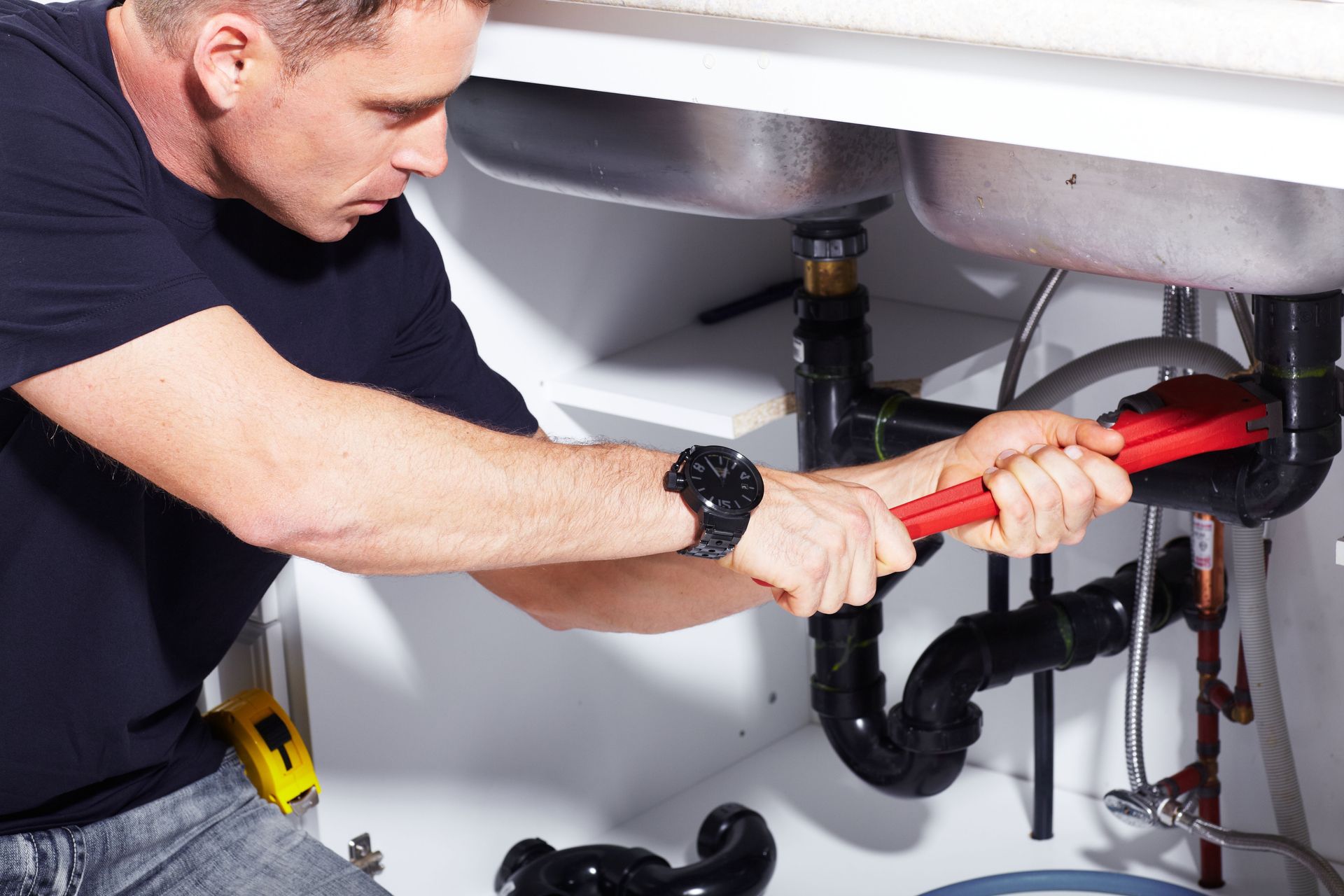
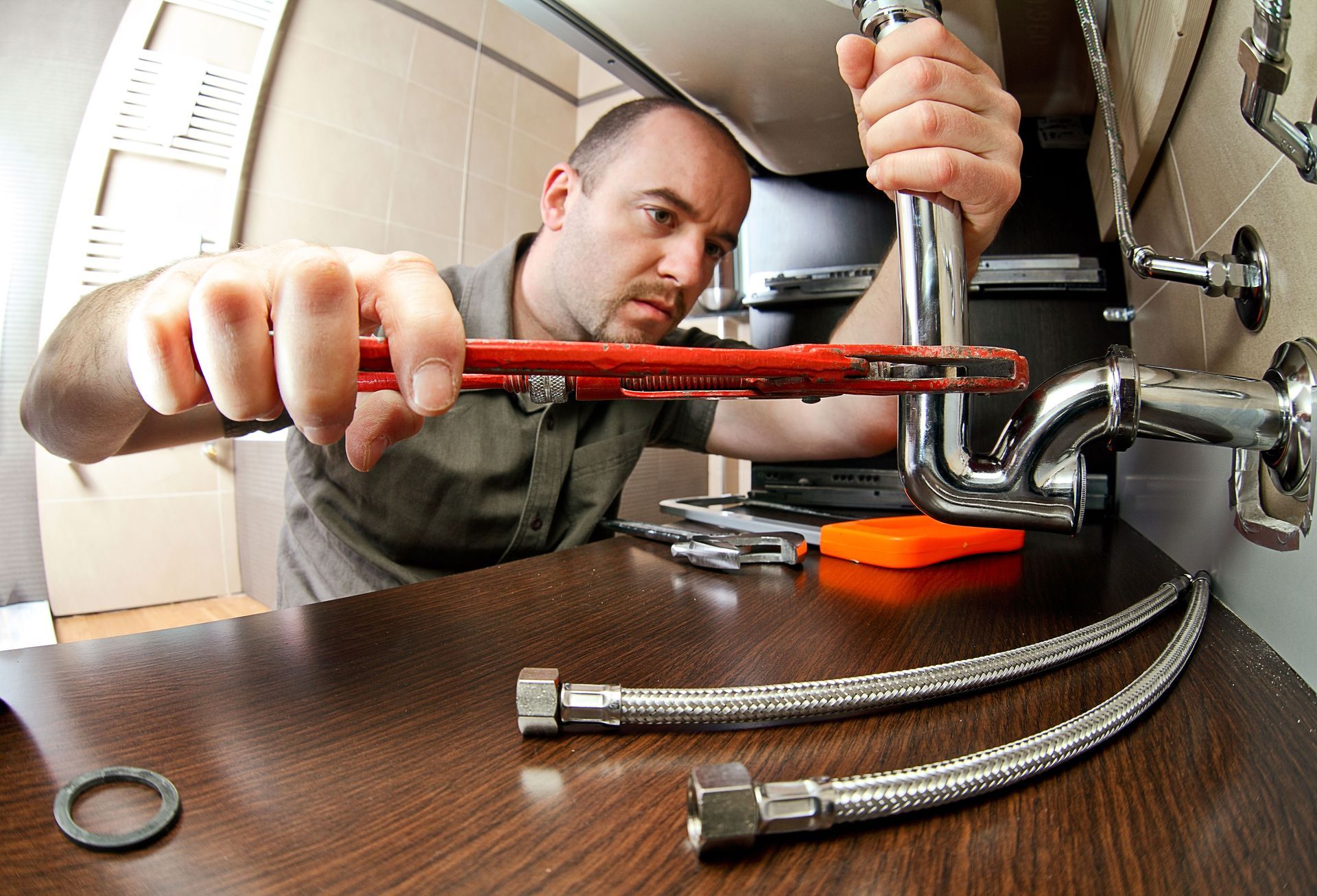
Plumbing problems can range from minor annoyances to major emergencies that disrupt daily life. While some small issues might seem manageable, certain situations require the expertise of a licensed professional. Knowing when to call a plumber can save you time, money, and avoid unnecessary damage to your home.
Fixing Major Pipe Leaks
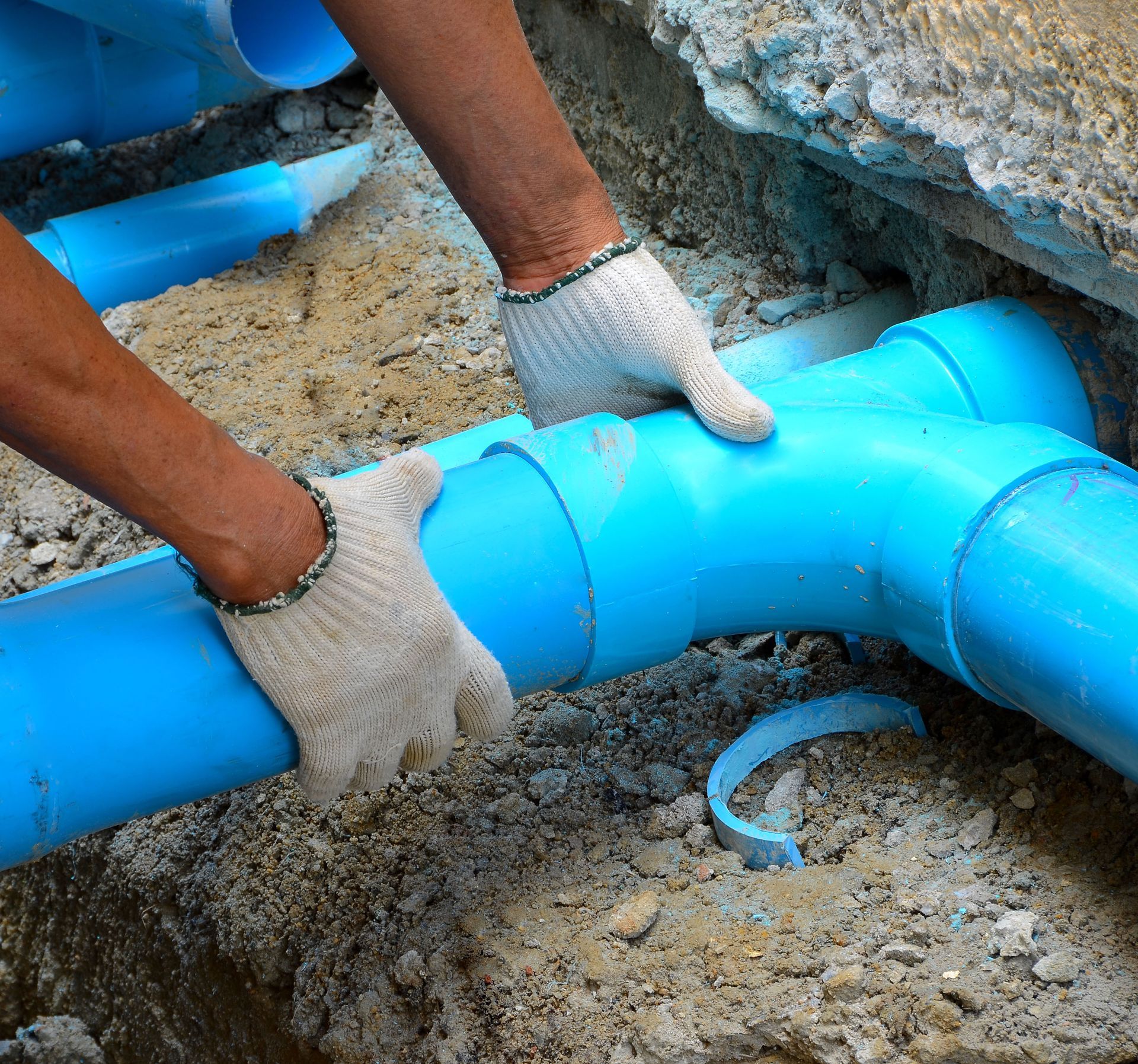
A small drip under a sink might be manageable, but major pipe leaks demand immediate attention. Leaks can worsen quickly, causing water damage to walls, floors, and ceilings. High-pressure pipes or leaks within walls or underground require specialized tools and knowledge to access and repair safely.
Attempting to patch large leaks without professional experience can lead to further damage or pipe bursts. A plumber evaluates the source, material, and pressure of the system, ensuring the repair is secure and compliant with building codes. According to Gitnux, residential construction accounts for the largest share of plumbing industry revenue at over 55%, highlighting the importance of professional services in maintaining safe and reliable systems.
Clearing Sewer Line Blockages
Sewer line issues are not only unpleasant but also pose serious health risks. DIY methods like plungers or chemical drain cleaners may temporarily relieve symptoms but rarely address the root cause. Blockages caused by tree roots, grease buildup, or collapsed pipes require advanced inspection tools.
Plumbers use camera inspections to pinpoint blockages and determine the correct solution. Attempting to dig or repair sewer lines yourself risks damaging utility lines and landscaping. Hiring a licensed plumber ensures that the system is cleared efficiently and safely, reducing the chance of future clogs.
Replacing Water Heaters
Most water heaters are complex systems that involve gas, electrical, and plumbing components. Improper installation can result in leaks, inefficiency, or even dangerous situations like carbon monoxide exposure. Upgrading or replacing a water heater requires knowledge of local codes and manufacturer specifications.
A plumber ensures proper installation, venting, and water pressure settings, maximizing safety and energy efficiency. Choosing the right unit and professional installation protects your investment and prevents premature failure. Attempting a DIY water heater replacement often leads to costly mistakes and safety hazards.
Repairing Burst Pipes
Broken or burst pipes can cause extensive water damage in a short amount of time. Cold weather, corrosion, or excessive pressure are common causes of pipe bursts. Immediate action is critical, as water can spread quickly, damaging flooring, walls, and personal property.
A plumber can locate the break, shut off the system safely, and repair or replace the damaged section. Attempting to handle a burst pipe without experience can lead to flooding, structural damage, or injury. Professionals ensure the repair restores full functionality while minimizing further disruption.
Fixing Gas Line Leaks
Gas line leaks are extremely dangerous and should never be handled by an untrained individual. Even small leaks can lead to explosions, fires, or health hazards from inhaling natural gas. Detection requires special equipment and safety precautions.
Plumbers trained in gas systems identify leaks, repair connections, and ensure compliance with safety regulations. DIY attempts put your home and family at risk. Immediate professional attention is essential to prevent potentially catastrophic consequences.
Installing or Replacing Sump Pumps in Your Home
Sump pumps protect basements and crawl spaces from flooding by removing excess water. Incorrect installation can result in pump failure, water damage, or drainage problems. Evaluating sump pit conditions, electrical connections, and discharge lines requires technical expertise.
A plumber ensures the pump is properly sized, installed, and maintained for reliable operation. Professional installation prevents flooding and reduces long-term maintenance issues. Improper DIY setups often fail during heavy rain, leading to costly water damage.
Repairing or Replacing Toilets
Your home's toilets may appear simple, but repairs involving the tank, bowl, or flange can be tricky. Problems such as constant running, leaks, or broken flappers require knowledge of water pressure and proper seal installation.
Plumbers can diagnose whether components need replacement or if a new toilet is necessary. DIY repairs may worsen leaks or damage the flooring. Professional service ensures proper function and prevents hidden water waste or damage.
Fixing Water Pressure Problems
Low or fluctuating water pressure can indicate underlying plumbing issues such as pipe corrosion, clogs, or municipal supply problems. Diagnosing and correcting these issues requires special tools and system knowledge.
A plumber can test pressure, identify the root cause, and implement permanent solutions. DIY adjustments, like partially closing valves or adding boosters without expertise, can worsen the problem. Professional intervention restores consistent water flow safely and efficiently.
Unclogging Drains Safely
Minor clogs can sometimes be handled with a plunger, but persistent or severe clogs often indicate more serious issues. Using harsh chemicals or forcing tools down the drain can damage pipes or push blockages deeper.
Plumbers use augers, hydro-jetting, and camera inspections to clear clogs effectively. Their approach ensures drains are thoroughly cleaned without compromising pipe integrity. Professional unclogging prevents repeated problems and avoids costly repairs.
Repairing Hot Water Systems
Malfunctions in hot water systems, including boilers or tankless units, often involve electrical or gas components. Incorrect DIY repairs can lead to leaks, system failure, or even injury.
A plumber can safely repair heating elements, adjust thermostats, and ensure proper water flow. This guarantees reliable hot water and energy efficiency. Attempting repairs without training risks equipment damage and safety hazards.
Preventing Frozen Pipes
Freezing pipes are a seasonal concern in colder climates, and thawing them improperly can cause cracks or bursts. Knowing how to safely warm pipes without causing damage requires professional knowledge.
Plumbers can install insulation, heat tape, or other preventative measures. They can also safely thaw frozen pipes using controlled methods. Professional prevention minimizes property damage and reduces the likelihood of emergency repairs.
Addressing Leaky Faucets Permanently
Leaky faucets are often seen as minor annoyances, but persistent drips can increase water bills and cause corrosion. Temporary fixes like washers or tape may not address underlying valve or cartridge problems.
A plumber evaluates the faucet type and repairs or replaces components to ensure a long-term solution. Professional attention saves water, prevents damage, and restores proper function. DIY attempts often provide only short-term relief.
Handling Backflow Prevention Issues
Backflow prevention systems protect your water supply from contamination by preventing wastewater or other harmful substances from flowing backward into clean water lines. These systems are critical for maintaining safe drinking water and are often required by local building codes and health regulations. Improper handling, installation, or maintenance can compromise their effectiveness, creating serious health risks for your household or business, and may also result in violations of local regulations that carry fines or penalties.
Repairing Sewer and Septic Systems
Problems in sewer or septic systems require specialized knowledge and equipment. Ignoring signs such as slow drains, foul odors, or backups can lead to significant environmental and structural issues.
Plumbers have the expertise to clean, repair, or replace these systems safely. Proper handling prevents health hazards and expensive remediation costs. Attempting to fix these systems yourself can worsen contamination and structural damage. If you are looking for a reliable sewer service, contact Viper Plumbing and Construction today to learn more and get started!
Plumbing systems are complex and often involve hidden risks, from water damage to safety hazards. While minor tasks may seem manageable, many issues demand the skill and experience of a licensed plumber. Trusting a professional ensures your home remains safe, efficient, and free from costly, recurring problems.